
Overseeding in Massachusetts to help thicken your lawn and improve overall turf density.
Professional overseeding for Massachusetts lawns — designed to help fill in thin areas, improve turf density, and support a fuller, healthier-looking lawn over time. Clear scheduling. No contracts. Guaranteed satisfaction.
An overseeding program built for Massachusetts lawns
Lawns can thin out over time from seasonal stress, foot traffic, summer heat, weeds, and normal wear. Overseeding is designed to help introduce new grass seed into existing turf so your lawn can develop better density, improved color, and a thicker overall appearance across Massachusetts growing conditions.
Helps fill in thin or weak areas to support a fuller, denser lawn over time.
Supports better overall uniformity, color, and coverage across the lawn.
Adds seed to areas that may have thinned from weather, traffic, or seasonal stress.
Applications can be scheduled during the right part of the season for better lawn response.
Straightforward scheduling and service updates so you know what’s happening and when.
Local routing helps keep service timing consistent across Massachusetts properties.
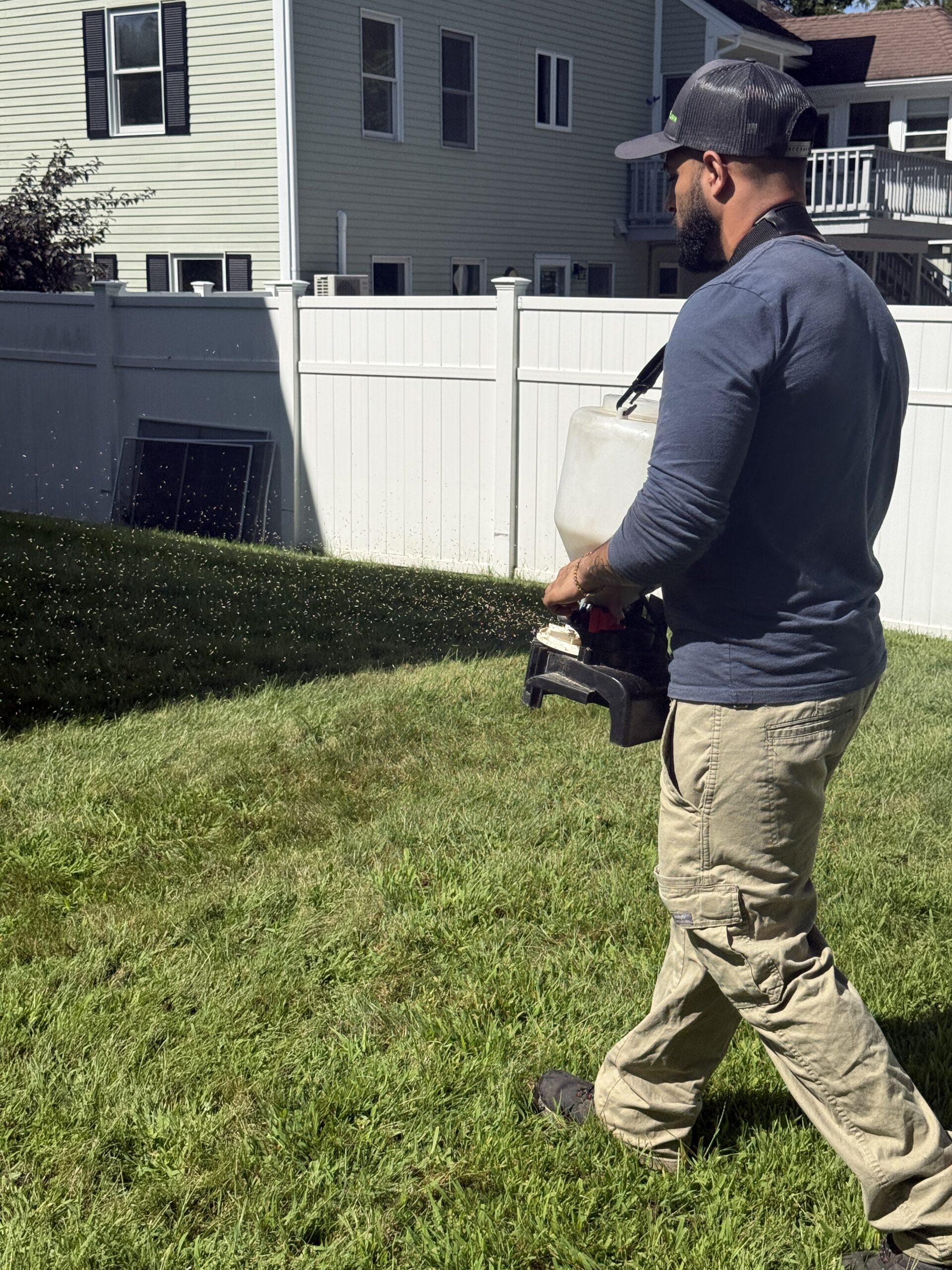
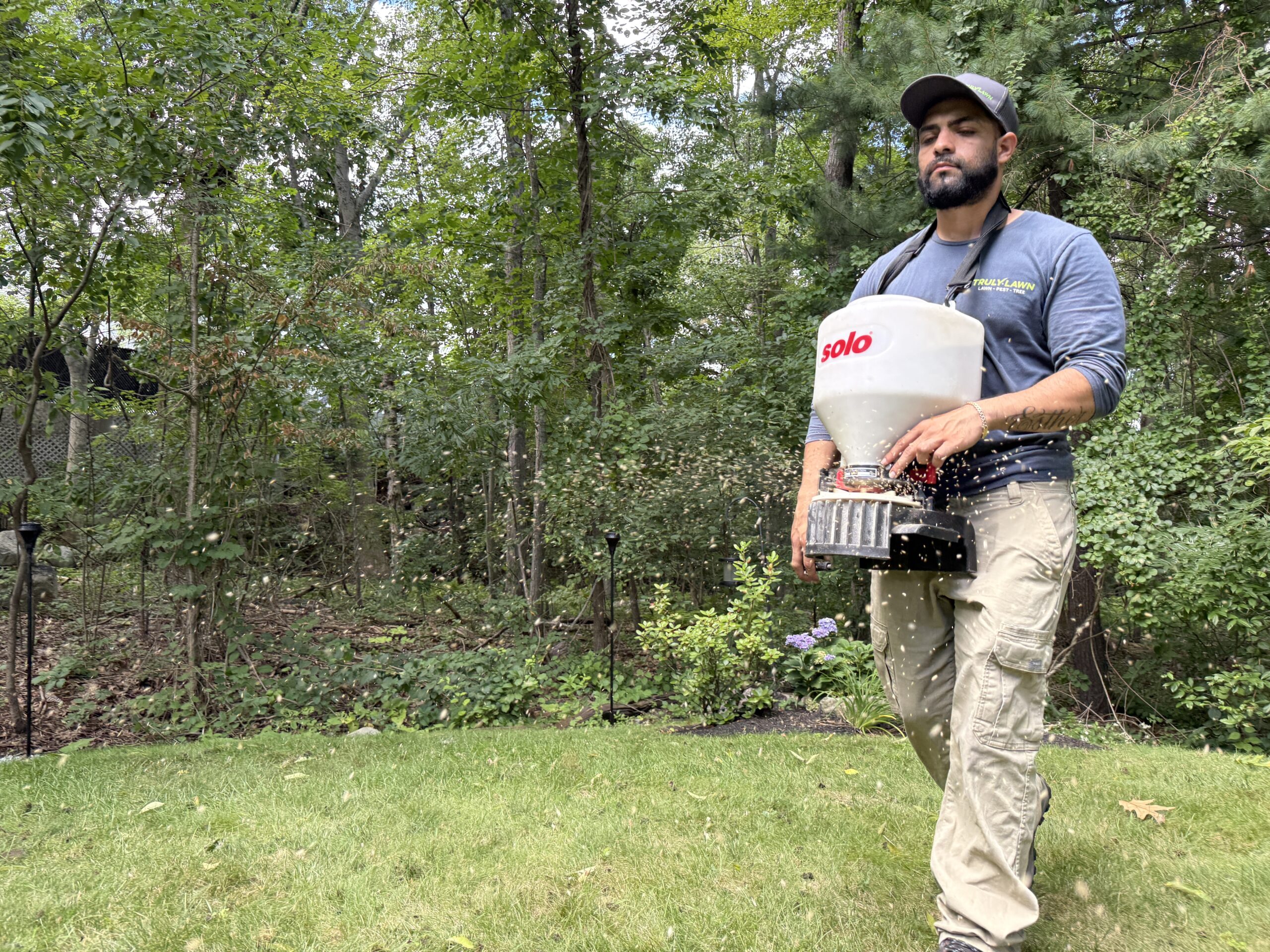
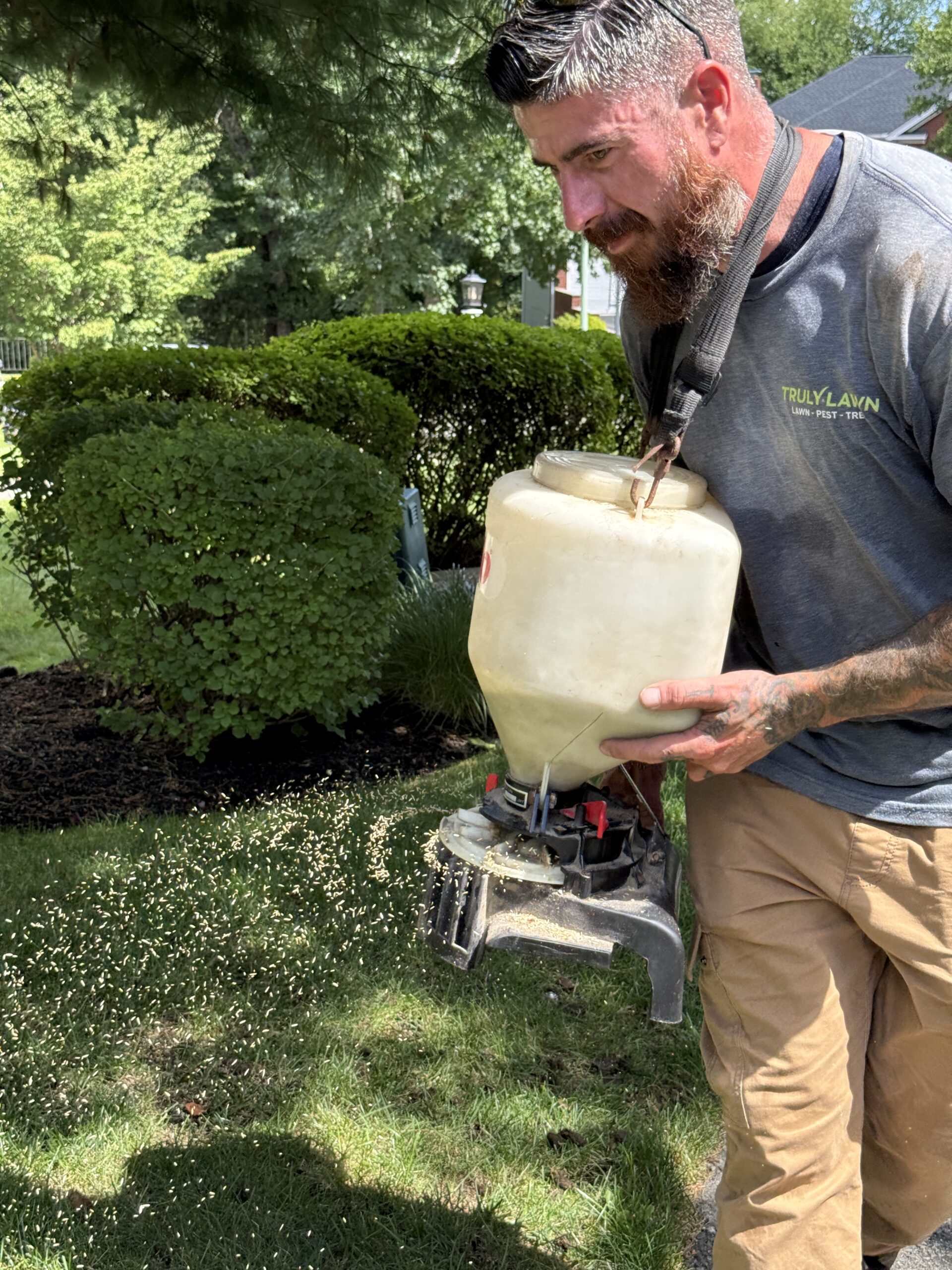
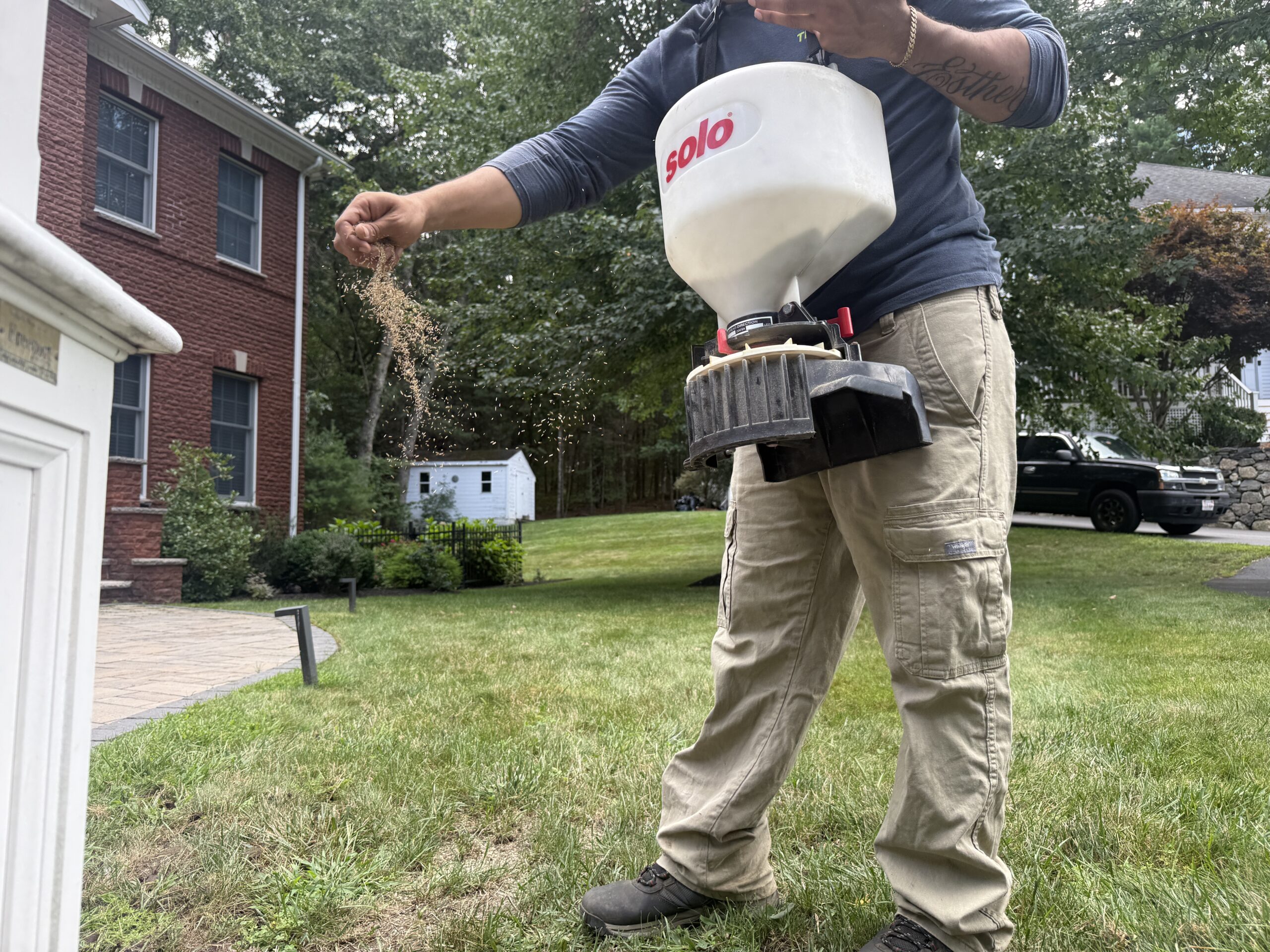
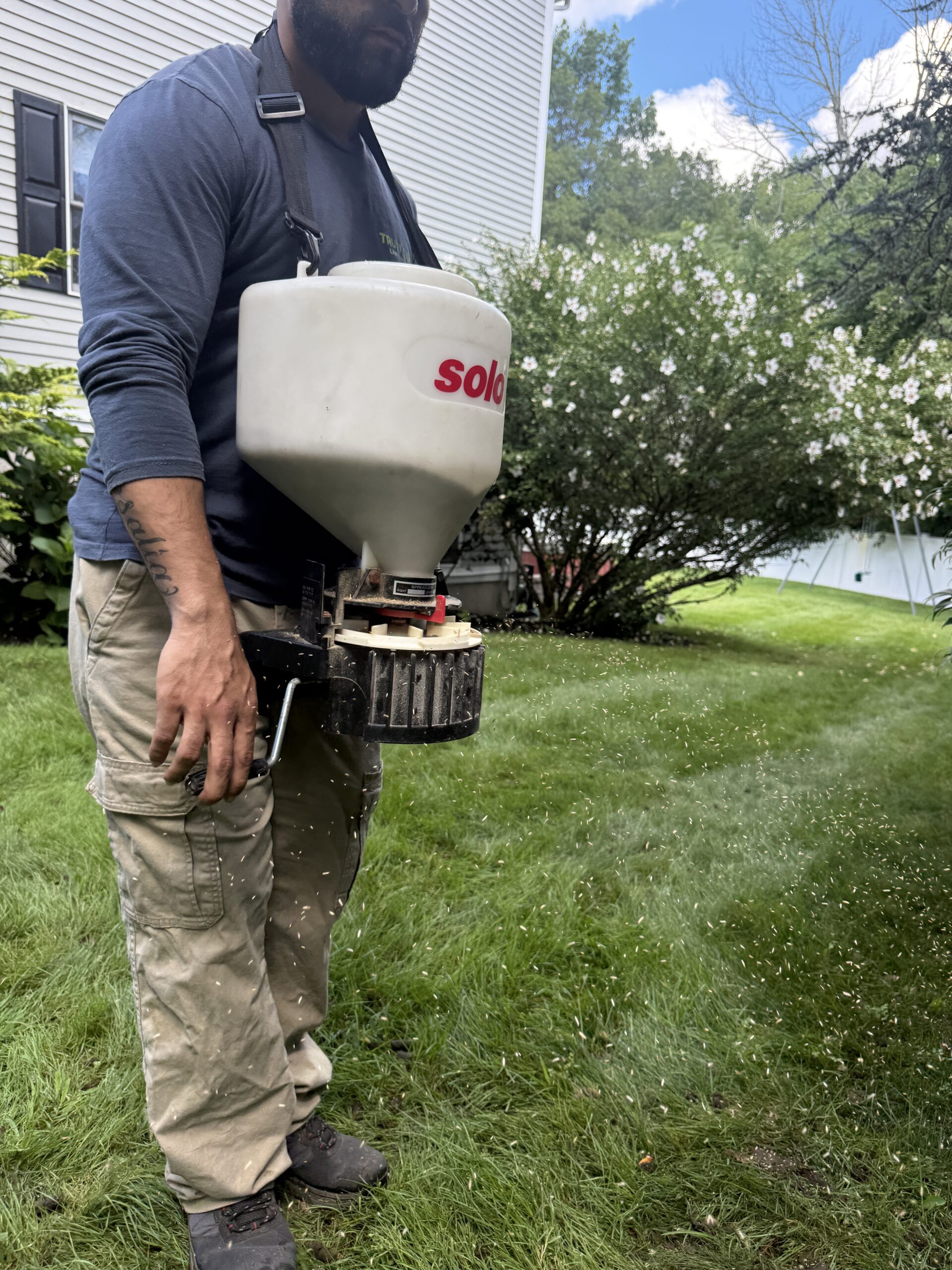
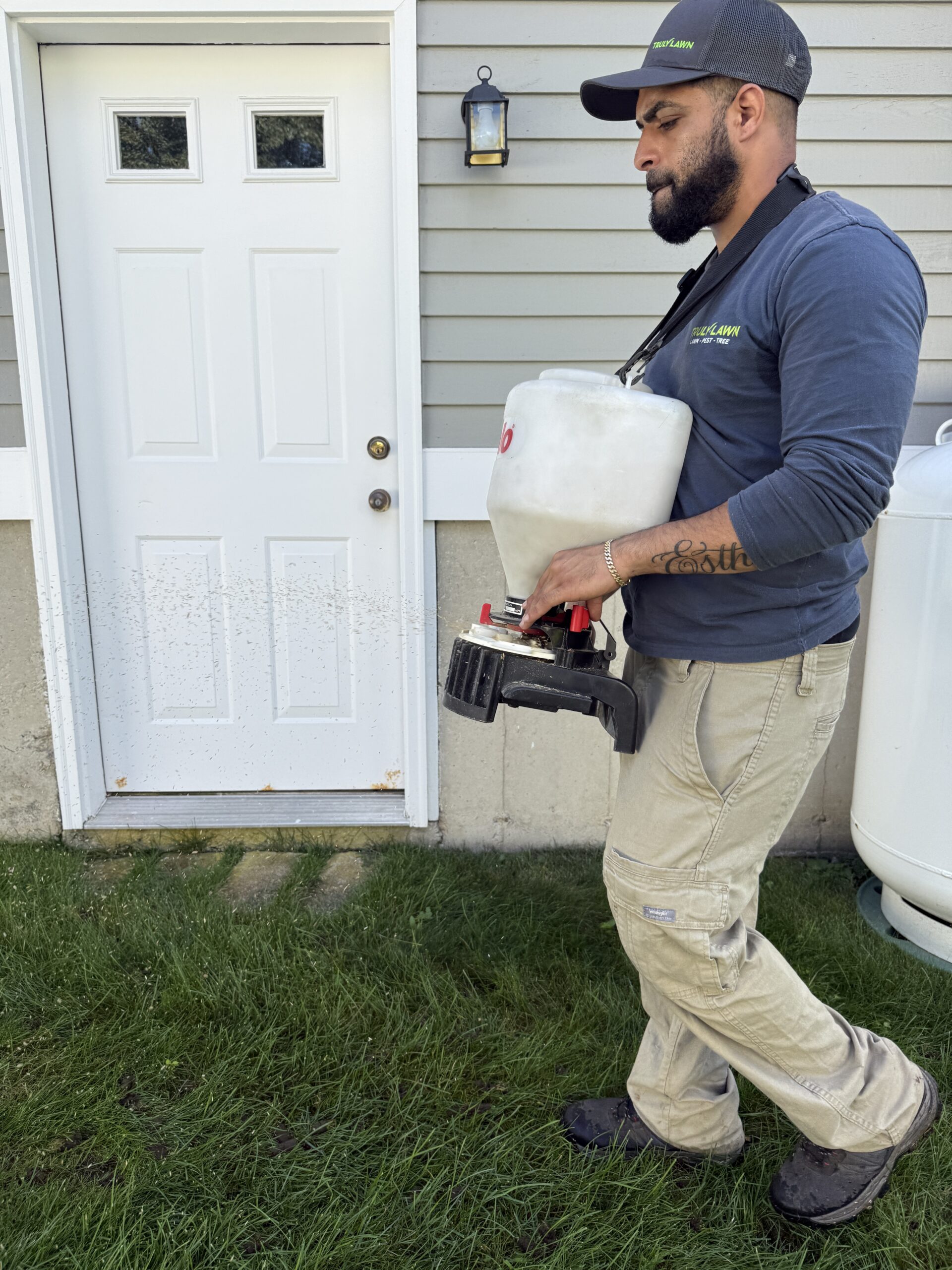
Professional lawn overseeding in action
From preparing thin areas to applying quality grass seed across the lawn, our overseeding service is designed to help Massachusetts turf develop thicker coverage, improved density, and a healthier overall appearance.
Related lawn care services for Massachusetts properties
Overseeding works best as part of a broader lawn care plan. Explore related services that help support stronger turf, better soil conditions, and healthier seasonal growth across Massachusetts lawns.
Serving homeowners across Massachusetts
Not sure if you’re in our route area? View our service areas and we’ll confirm quickly.
View our service areas →Ready to thicken your lawn with overseeding?
Get an overseeding plan built for Massachusetts lawns. No contracts. Clear communication. Results you can feel.
Frequently asked questions
A few quick answers about overseeding in Massachusetts and what to expect.
Overseeding is the process of adding new grass seed into an existing lawn to help improve density, fill in thin areas, and support a fuller overall appearance.
Lawns may need overseeding when they have thin spots, worn areas, reduced density, or turf that has been stressed by heat, traffic, weeds, or seasonal conditions.
Overseeding is often performed during favorable growing periods when the lawn can respond well, depending on grass type, weather conditions, and the overall lawn care plan.